The Villas of Stabia: the residential side of ancient Stabiae
The Villas of Stabia are among the most fascinating examples of the Roman presence on the Bay of Naples. Unlike other centres in the Vesuvian area, Stabiae was not a densely populated city, but an exclusive retreat chosen by the Roman elite for their holidays, thanks to its panoramic position and mild climate.
Situated along the Varano plateau overlooking the sea, the villas formed a highly prestigious residential network, characterised by spacious interiors, gardens, colonnades and rooms decorated with frescoes of exceptional quality.
Stabiae: an elite destination in the Roman world
After the destruction of the original city in the time of Silla, Stabiae entered a new phase of development, becoming an area devoted to luxury residences. Here, members of the Roman aristocracy built their villas for otium, places intended for rest, contemplation and social life away from public duties.
Unlike Pompei, which was a lively urban and commercial centre, Stabiae was an exclusive area where the natural landscape and views of the Gulf became an integral part of residential life.
The main Villas of Stabia
The villas open to visitors today represent only part of the complex ancient residential network, but they offer a full appreciation of the sophistication of Roman architecture.
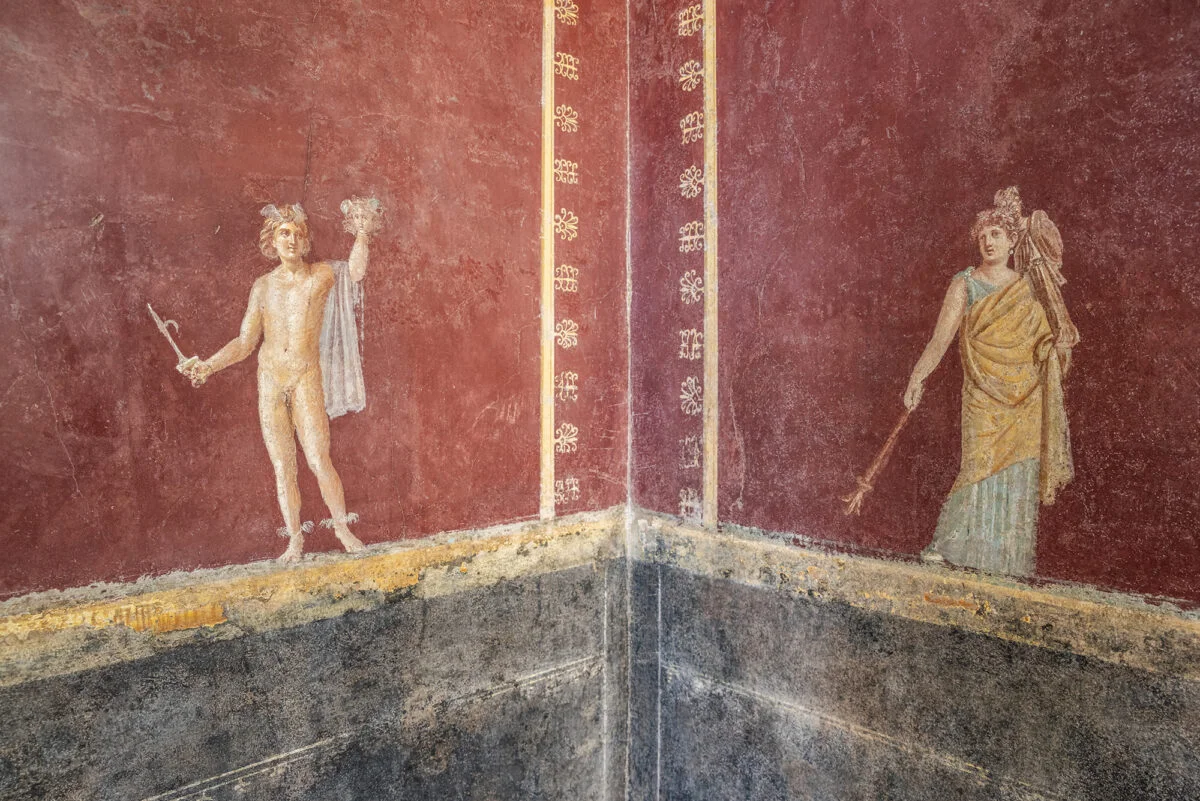
Villa San Marco
Among the largest villas in the entire Vesuvian area, Villa San Marco covers an extensive area and has a complex layout, with bathing suites, gardens and colonnades. Its arrangement reflects careful planning with functionality and comfort in mind.
Visit Villa San Marco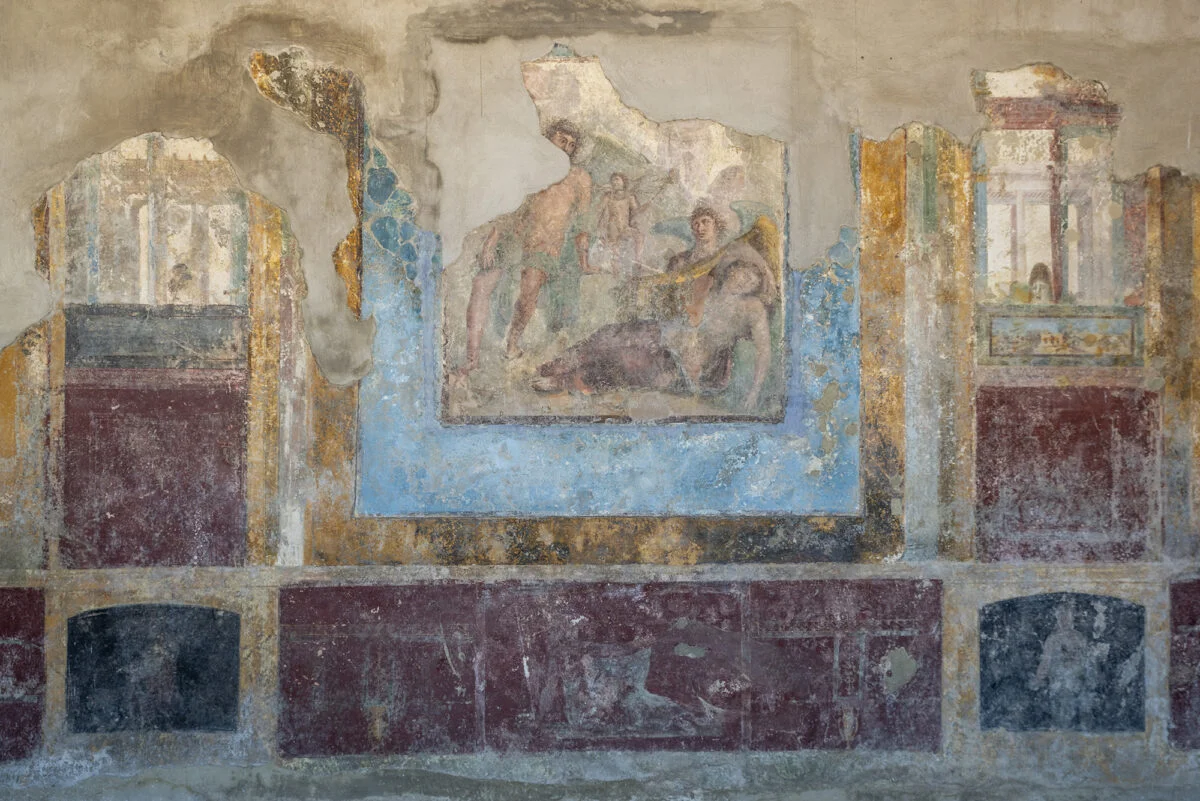
Villa Arianna
Renowned for its frescoes, among the most exquisite examples of Roman painting, Villa Arianna is one of the most significant examples of wall decoration from the period. The complex reveals a strong emphasis on the aesthetic and symbolic dimensions of its spaces.
Visit Villa Arianna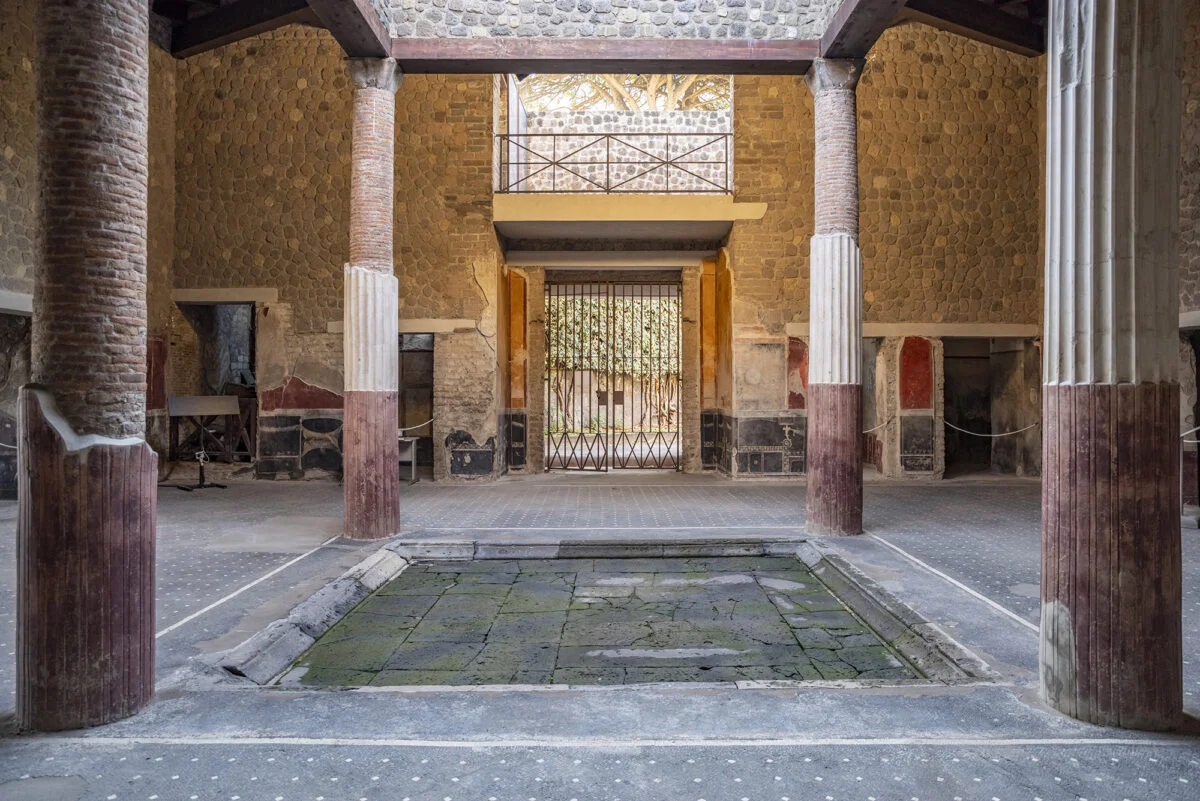
Secondo Complesso
Less well known but of great interest, the so-called Secondo Complesso helps illustrate the variety of residential types found at Stabiae, showing how the area was occupied by several high-status settlements.
Visit the Secondo ComplessoThe architecture and function of the villas
The Villas of Stabia were not simply homes, but truly complex architectural ensembles. Their spaces were organised to meet a range of needs:
- ◆ Reception areas
- ◆ Private rooms
- ◆ Gardens and open spaces
- ◆ Bathing facilities
The integration of architecture and landscape was one of their distinctive features: the villas were designed to make the most of the sea views and natural surroundings, creating a balance between buildings and their setting.
The eruption of AD 79
Like Ercolano and Pompei, Stabiae was also struck by the eruption of Vesuvio in AD 79. However, the way the event unfolded and the lower population density made this site different from the others, both in how it was preserved and in the types of evidence uncovered.
The rediscovery of the excavations
The Villas of Stabia began to be unearthed in the 18th century, but it was above all in the 20th century, thanks to the work of Libero D'Orsi, that the site gained renewed prominence. The excavations have revealed rooms, decorations and structures that now allow us to reconstruct the daily life of the Roman elite.
Why visit the Villas of Stabia today
Visiting the Villas of Stabia means entering a different world from the area's better-known archaeological sites. Here, the connection with the landscape, the quiet spaces and the quality of the architecture offer a more intimate and contemplative experience.
The villas offer a privileged insight into the private lives of the Romans and are essential to understanding the history of the Vesuvian area.
Cultural heritage
Discover Stabia's heritage
Explore the history, archaeology and traditions of Castellammare di Stabia through projects dedicated to the local area.
Museo Libero D'Orsi
A journey through the artefacts and archaeological history of Stabia.
Presepe Stabile Stabiano
A unique testament to the city's artistic and religious tradition.
Discover Stabia
A city guide, itineraries and tourist map for visiting Castellammare di Stabia.